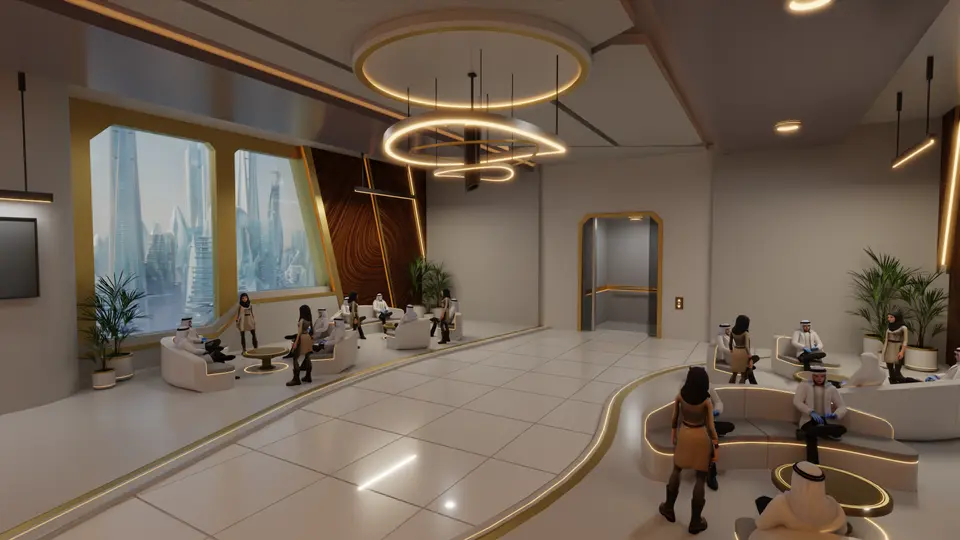
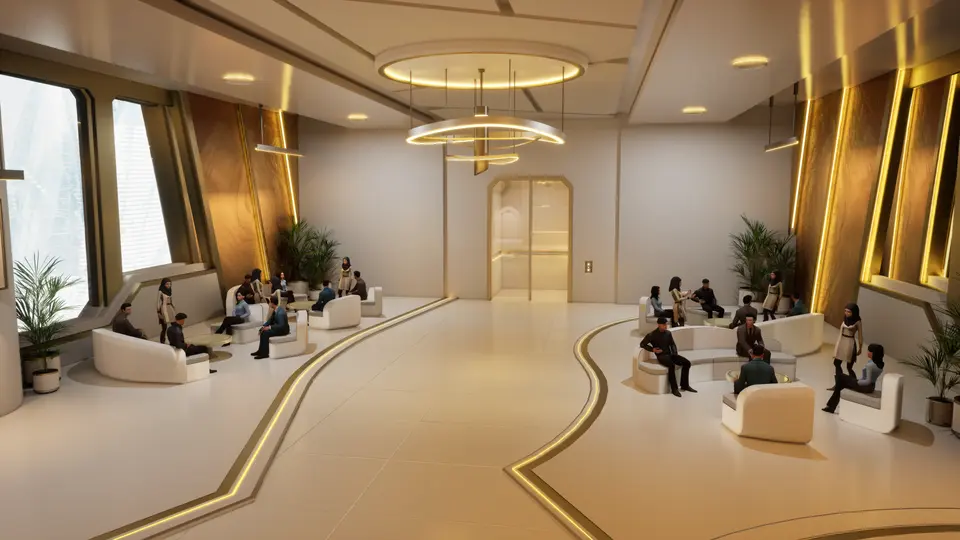
Metaverse — Architectural Visualization

Leveraging Unreal Engine Pixel Streaming to create an immersive architectural visualization experience users can view and interact with — no powerful hardware required.

Genre Arch Viz · Pixel Streaming
Platform Windows · macOS
Engine Unreal Engine
Status Delivered
Metaverse — Architectural Visualization

Overview

A real-estate developer needed to showcase unbuilt luxury interiors to remote investors — no downloads, no high-end hardware, no friction. The brief: let anyone with a browser walk a photoreal-scale architectural space, swap finishes and lighting in real time, and get accurate visual feedback before a single wall is poured.

Feative Studios built the experience in Unreal Engine 5 and delivered it through Pixel Streaming. The 3D environment renders on a cloud GPU and streams to the client's browser over WebRTC — the same protocol behind video calls. Users interact with the space using mouse, keyboard, or touch, and every frame arrives at display resolution with sub-second latency.
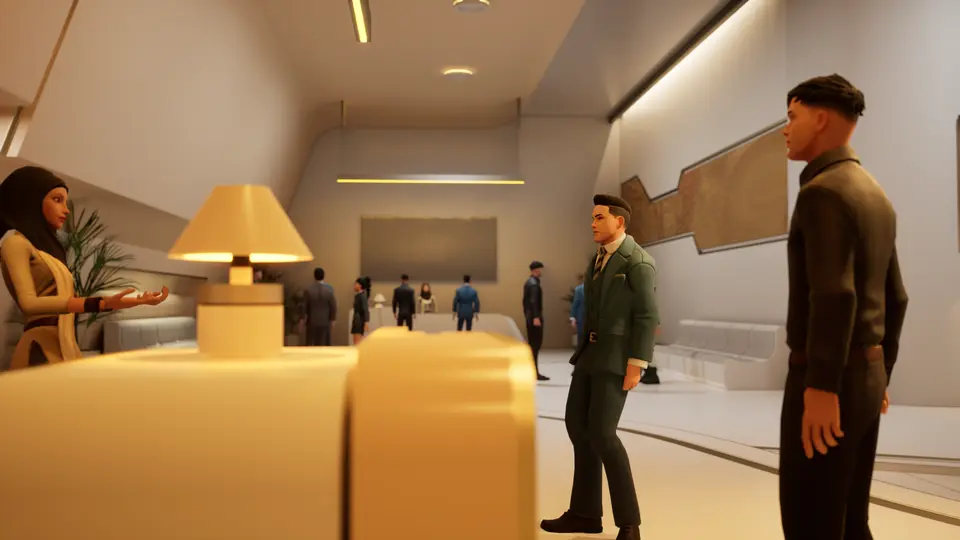
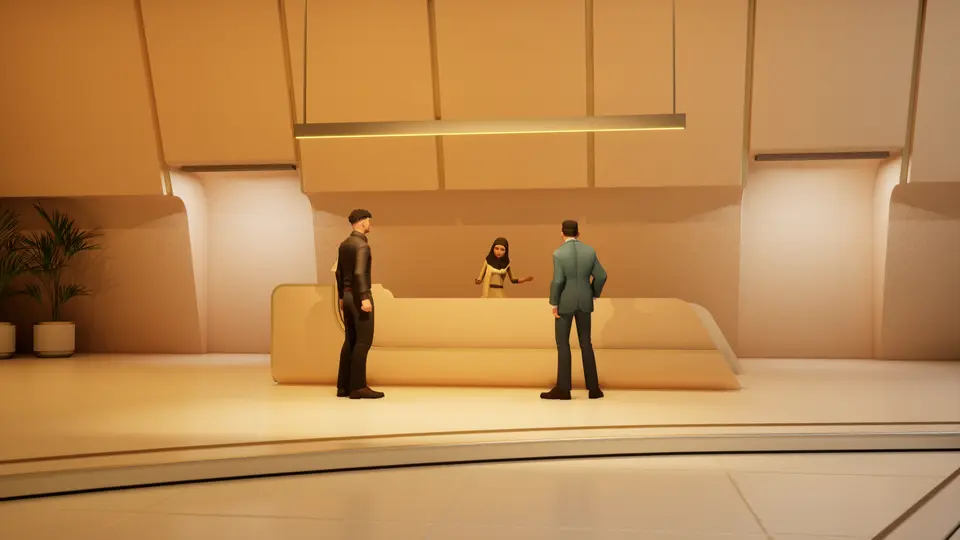
Delivered
Metaverse — Architectural Visualization

Challenge

Architectural visualization has a hardware problem. Photorealistic walkthroughs demand a discrete GPU, a multi-gigabyte download, and a machine that can run Unreal Engine — none of which a typical client, investor, or remote stakeholder has sitting around.

The developer tried sharing pre-rendered videos and static renders. They communicated mood but killed interactivity. Clients couldn't explore the space at their own pace or visualize material options. Every presentation required an on-site visit or a workstation-equipped meeting room.

The team also needed a one-to-many delivery model — not a single-user VR demo, but a link anyone could open on a laptop, tablet, or phone during a sales call.

Metaverse — Architectural Visualization challenge

Solution

Feative Studios set up a cloud-rendered Pixel Streaming pipeline. The UE5 scene runs headless on an NVIDIA GPU instance — off-screen rendering, hardware H.264 encoding via NVENC, and WebRTC transport to the browser. A Node.js signaling server handles session negotiation; a TURN server ensures connectivity behind restrictive corporate firewalls.

The scene uses baked lighting (pre-computed lightmaps) instead of Lumen to keep GPU cost predictable under concurrent sessions. Geometry stays high — Nanite handles the mesh detail without manual LOD work. Material switching uses UE5's material instance system: users swap flooring, countertops, and fixture finishes from a browser-side UI panel, and the engine hot-swaps material instances per surface.

Touch input maps to camera control for tablet users. The browser renders a local cursor for immediate visual feedback while the cloud instance handles spatial navigation. Adaptive bitrate encoding drops resolution during network dips and recovers seamlessly.

Metaverse — Architectural Visualization solution

Result

The finished experience loads in under five seconds on any modern browser. Clients walk full-scale interiors, swap finishes, adjust lighting scenarios, and share the link with stakeholders who don't need to install anything. The developer uses it in sales presentations, remote investor meetings, and design review sessions.

Because the scene runs server-side, updates propagate instantly — swap a material, fix geometry, adjust lighting — and every client sees the current version on next load. No re-downloads, no versioning headaches. The developer's design team iterates in the editor while the sales team demos the live build simultaneously.

Project Details

GenreArch Viz · Pixel Streaming
PlatformWindows · macOS · iOS · Android
EngineUnreal Engine 5
Core Systems Pixel Streaming · Cloud GPU rendering · WebRTC · Material instance switching · Baked lighting
DeliveryBrowser-based, zero-install
TeamFeative Studios

Gallery

Keep Exploring

Built something like this for your team.

From full development to targeted milestone support, Feative Studios plugs into your pipeline with no friction.