
Adapting to the Fast Pace of a Live Multiplayer VR Game: PICKABOOM

A studio's first multiplayer VR title shipping weekly updates — continuous profiling, VR memory and GPU optimization, and stable 60+ fps on Quest 3.

Studio PIGIAMA KASAMA
Engine Unity
Category XR / AR / VR
Source Unity
Adapting to the Fast Pace of a Live Multiplayer VR Game: PICKABOOM

Overview

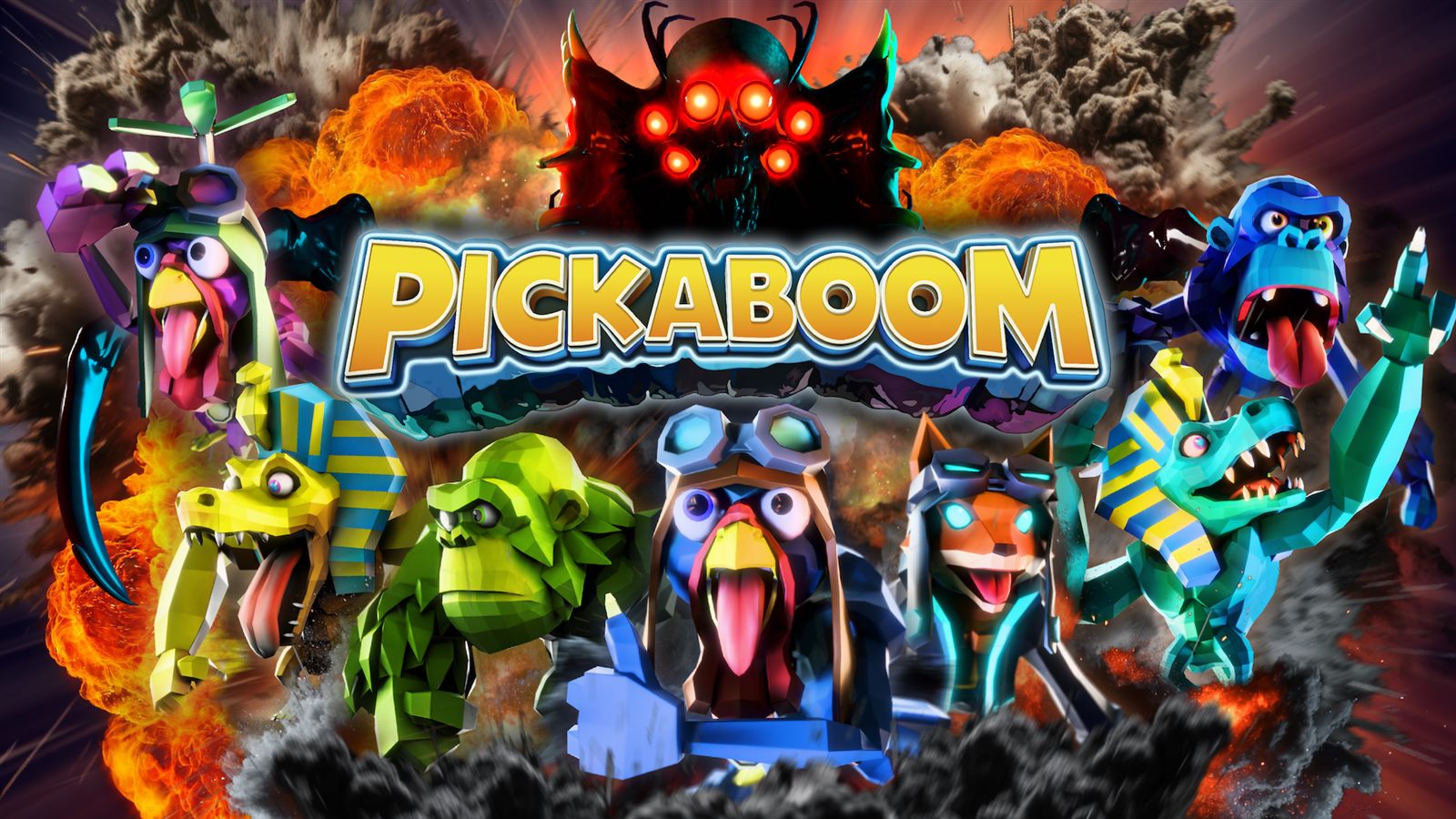
PICKABOOM is PIGIAMA KASAMA's first multiplayer VR title — a free-to-play cave exploration and survival game supporting 10-player co-op with physics-driven chaos on Meta Quest.

Built in Unity 6 with URP, the game uses Shader Graph for procedural biomes, a textureless avatar system that handles all characters through a single shared material, and a custom map editor that deploys new content in under two working days.

The result: 4.8 out of 5 stars across 4,800 ratings, stable 60+ fps on Quest 3 and 3S, and zero blocker bugs across weekly content updates.

Curated by Feative Studios
Adapting to the Fast Pace of a Live Multiplayer VR Game: PICKABOOM

Challenge

This was the studio's first multiplayer title. Networking instability and reconnection failures surfaced immediately during playtests, and physics spikes during chaotic disasters — multiple players triggering simultaneous physics events — threatened to break frame rate on standalone hardware.

Synchronizing physics across 10 players on Quest's mobile-class GPU, while maintaining 60+ fps and shipping weekly content updates, demanded a pipeline that could move fast without sacrificing stability.

Solution

Unity 6 with URP was tuned specifically for VR clarity — Shader Graph drives procedural biomes with minimal GPU cost, and GPU instancing keeps vegetation draw calls low even in dense cave environments.

Unity Physics was optimized for multiplayer determinism, ensuring consistent simulation across all 10 clients. Addressables modularized content for live delivery, and a custom map editor with adaptive light probes lets designers build and test new biomes without touching engine code.

The visual style deliberately eliminates most real-time lighting, relying on baked lighting and a near-total absence of dynamic shadows to hit the 60+ fps floor that VR demands. A textureless avatar system — one shared material controlled entirely through shader parameters — keeps draw calls minimal even when ten players are on screen together.

Result

PICKABOOM runs at a stable 60+ fps on Quest 3 and 3S, supports 10-player multiplayer with hundreds of networked physics objects, and has shipped zero blocker bugs across its weekly update cadence.

New content — biomes, disasters, mechanics — deploys in under two working days thanks to the custom map editor and Addressables pipeline. The game holds a 4.8 out of 5 star rating across 4,800 reviews on the Meta Store.

Key Takeaways

Takeaway 1The textureless avatar system uses one shared material for all characters via shader parameters, keeping draw calls minimal — critical when ten players share a standalone VR frame budget.
Takeaway 2A custom map editor lets designers deploy new biomes in under two working days, decoupling content creation from engineering and keeping the weekly update cadence sustainable.
Takeaway 3Weekly update cadence requires planning two to three weeks ahead while staying flexible enough to pivot when crash reports surface — continuous profiling on real devices makes this possible without regressions.

Original Study

Source Adapting to the Fast Pace of a Live Multiplayer VR Game: PICKABOOM

A Unity blog interview with the PIGIAMA KASAMA team about building and operating PICKABOOM.

View the Original Study
Keep Exploring

Want results like this?

Whether it is a full product or targeted engineering support, Feative Studios plugs into your pipeline with no friction.