
Unreal Tools That Shaped Shin Megami Tensei V

Atlus's first UE project — materials for hand-drawn-style demons, Pivot Painter, Sequencer cinematics, and Blueprints replacing the previous scripting system.

Studio Atlus
Engine Unreal Engine 4
Category Game Development
Source Unreal Engine
Unreal Tools That Shaped Shin Megami Tensei V

Overview

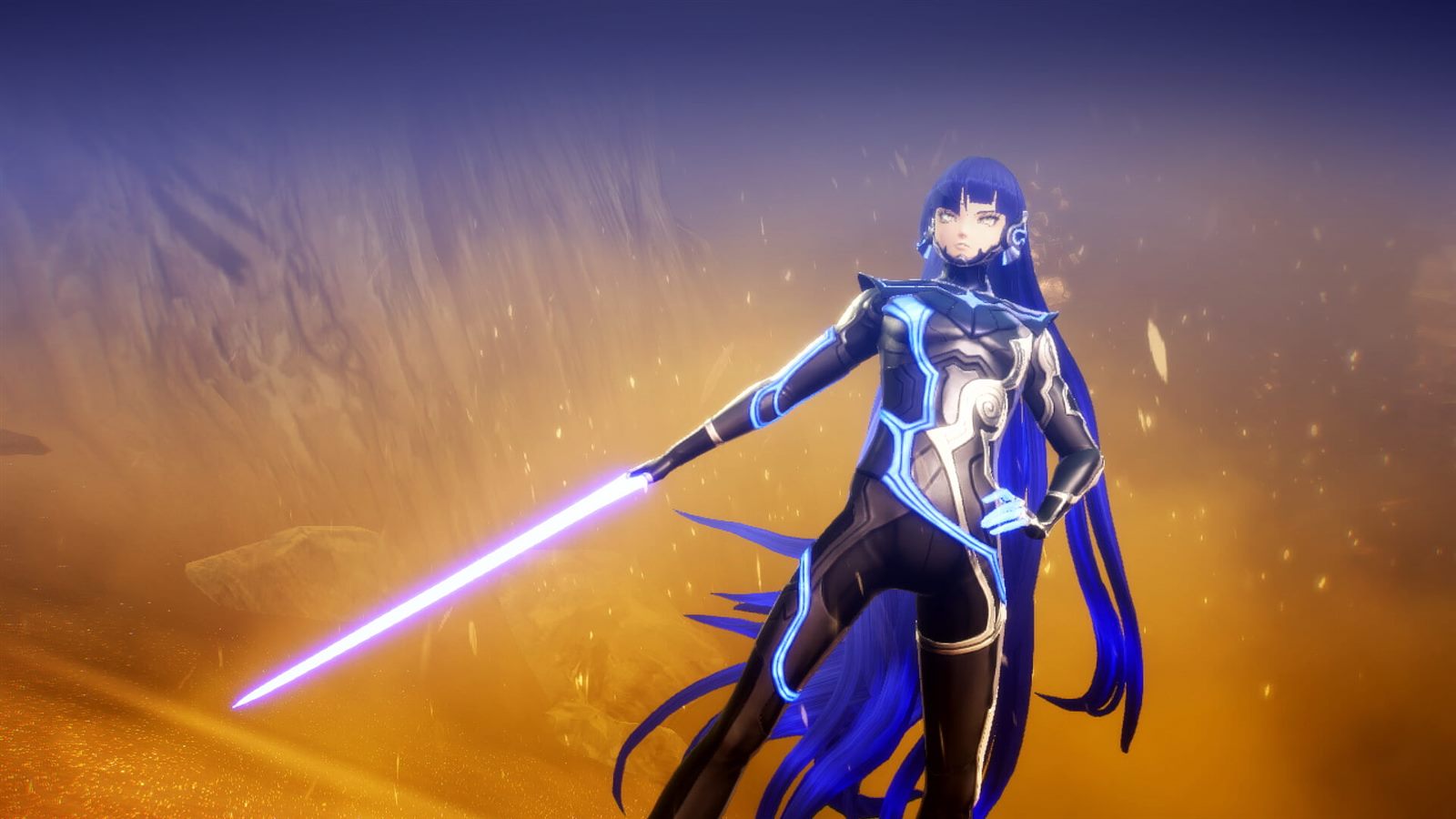
Shin Megami Tensei V was Atlus's first Unreal Engine project and their first title on Nintendo Switch. The dark JRPG is set in a post-apocalyptic Tokyo, and the team needed to maintain the series' hand-drawn demon art while leveraging modern 3D rendering and PBR lighting. They used UE Material Instances to layer hand-drawn illustration aesthetics over physically based lighting, Pivot Painter — originally designed for foliage — to create floating post-apocalyptic environmental debris, and Sequencer for in-engine cinematics.

Most significantly, Atlus replaced the custom scripting system from SMT IV with Blueprints entirely. The lead programmer called Blueprints "superior" to their previous tooling. The team spent six months prototyping before committing to UE4, then shipped the game to over 1.1 million copies sold.
Curated by Feative Studios
Unreal Tools That Shaped Shin Megami Tensei V

Challenge

This was Atlus's first time on a third-party engine and their first time targeting Nintendo Switch. The team needed to preserve the series' signature dark, hand-drawn demon aesthetic — something that had historically relied on 2D illustration — while rendering in a full 3D PBR pipeline. Switch hardware meant every detail took roughly three times longer to optimize compared to their previous platforms. The team couldn't afford to lose the visual identity that defined the franchise.

Solution

Material Instances became the key technique: artists layered hand-drawn illustration aesthetics over UE4's PBR lighting effects, preserving the look of Toriyama-influenced demon art while still receiving real-time shadows and global illumination. Pivot Painter, a tool designed for wind-animated foliage, was repurposed to drive the floating debris and crumbling structures of post-apocalyptic Tokyo — giving the environment its uncanny, suspended-in-time quality.

Blueprints replaced SMT IV's custom scripting system completely — not a gradual migration, but a full swap. The team spent six months prototyping in UE4 before committing, validating that the engine could handle their specific needs before going all-in.

Result

SMT V sold over 1.1 million copies. The visual quality was praised as outstanding for a Switch exclusive, with the Material Instances pipeline enabling a unique look that blended hand-drawn art direction with 3D lighting. Blueprints proved to be a complete replacement for their custom scripting system — the lead programmer called them "superior" — and the six-month prototyping investment paid off in a smooth production phase.

Key Takeaways

Takeaway 1Blueprints replaced an entire custom scripting system — not a gradual migration, but a complete swap that the lead programmer called "superior."
Takeaway 2Material Instances were the key to blending hand-drawn illustration aesthetics with UE4's PBR lighting pipeline, preserving the franchise's visual identity.
Takeaway 3Pivot Painter, designed for foliage, was repurposed as the go-to tool for post-apocalyptic floating objects and environmental storytelling.

Original Study

Source Atlus Shares Which Unreal Tools Were Instrumental for Shin Megami Tensei V

An Unreal Engine spotlight interview with the Atlus development team.

View the Original Study
Keep Exploring

Want results like this?

Whether it is a full product or targeted engineering support, Feative Studios plugs into your pipeline with no friction.